Category O consists of O1 with a maximum mass up to 0.75 tonnes, O2 up to 3.5 tonnes, O3 up to 10 tonnes and O4 above 10 tonnes. This class largely decides which requirements a trailer falls under, so a project should start by settling the maximum mass.
Braking
Braking is assessed under R-13, and the requirements differ clearly by class. For O3 and O4 trailers, equipment such as anti-lock braking comes into play. The brake system should be considered together with the choice of axles and tyres, because a later axle change directly affects the braking calculations.
Lighting and visibility
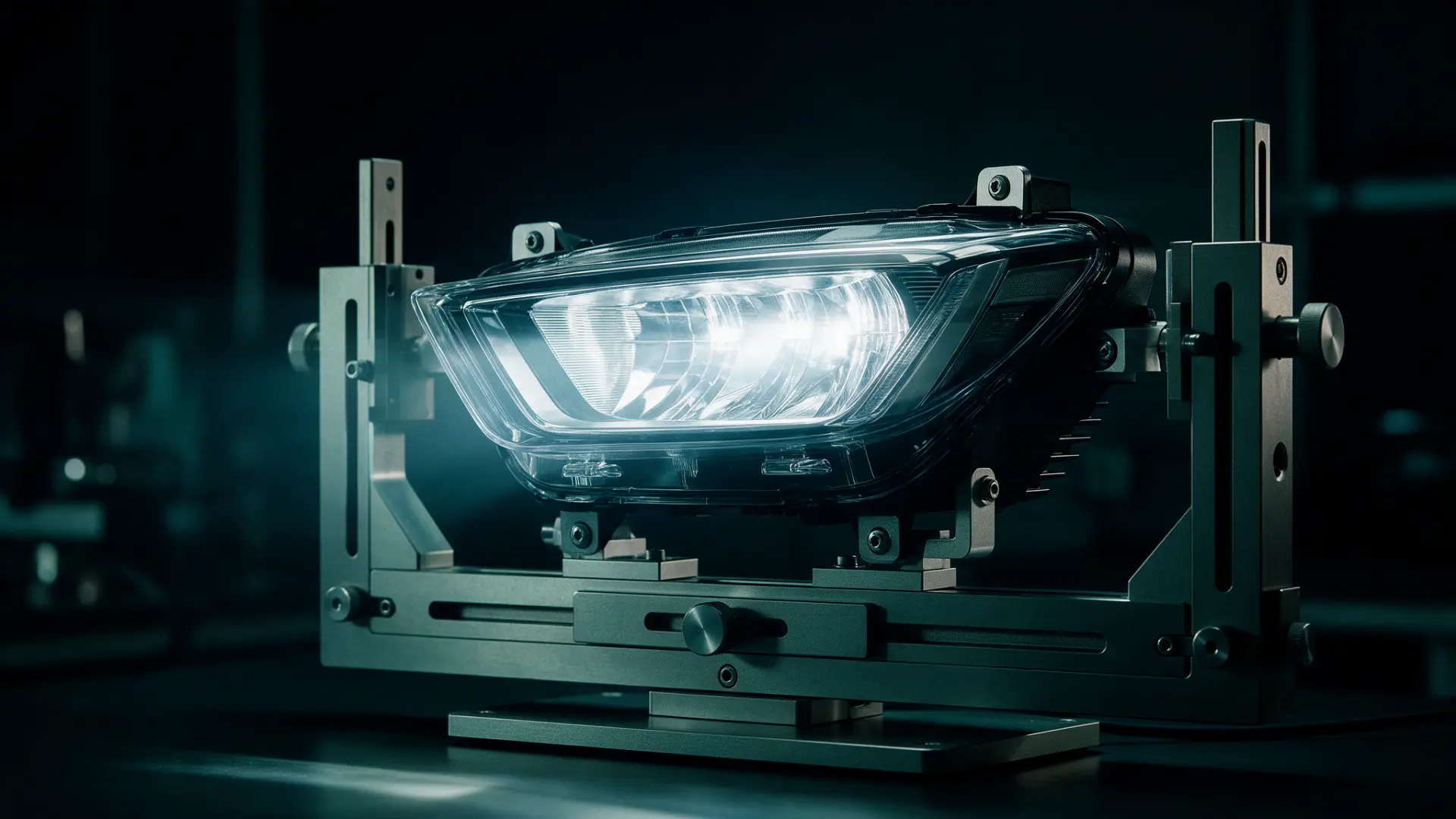
The placement of lamps and reflectors is regulated by R-48; the devices themselves must be approved under regulations such as R-148 and R-150. Using approved devices is only half the job: heights, widths and angles of visibility are verified on the vehicle as well.
Mass, dimensions and coupling
Masses and dimensions are assessed under (EU) 1230/2012. Besides maximum dimensions, axle loads and the vertical load at the coupling point must also be shown to stay within limits. R-55 applies to mechanical coupling components.
Protective equipment
On heavy trailers, rear underrun protection is covered by R-58 and lateral protection by R-73. This equipment should be planned early in the design, because its position directly relates to lamp layout, the plate area and the body. For tyres, regulations such as R-30 and R-54 apply according to the tyre class.
This article is a summary for orientation. For legal requirements, always refer to the official text in force and its amendments.