For a parts manufacturer, type approval avoids assessing the product again in every vehicle project. An approved component enters the vehicle manufacturer's technical file with its approval certificate and gives a reference recognised in the countries that apply the UN regulations.
Which regulation covers what
R-10 regulates electromagnetic compatibility: it sets emission and immunity requirements for vehicles and for electrical or electronic sub-assemblies. R-80 deals with the strength of seats and their anchorages in large passenger vehicles. R-100 covers the safety of electric power trains, including high-voltage protection and rechargeable energy storage systems.
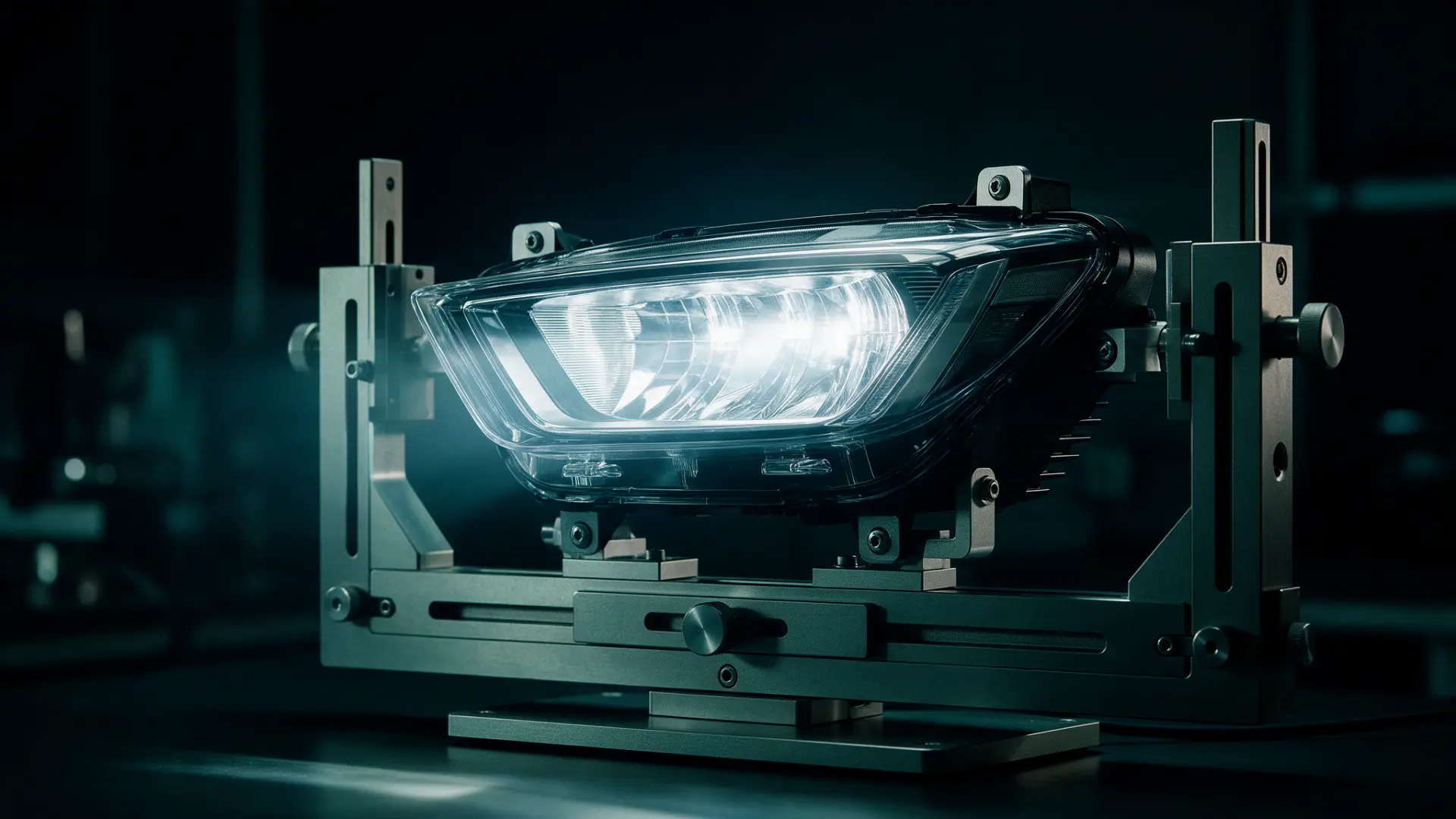
In lighting, R-148 covers signalling lamps, R-149 road illumination devices and R-150 retro-reflective devices and markings. These three regulations bring together many lighting devices that used to be regulated separately. How the devices are installed on the vehicle is a separate matter, assessed at vehicle level under R-48.
What to prepare before applying
The step that saves the most time is a clear definition of the type to be approved. If the variants within the type, technical drawings, material data and the information document are ready from the start, test samples can be chosen for the most critical variants.
Conformity of production is also part of the approval. The manufacturer is expected to show the controls that keep series parts identical to the approved type. Once approval is granted, the part carries the approval mark with the country code and the approval number.
An approach that shortens the process
For products that fall under more than one regulation, building the test plan as a whole avoids repeating tests that could use the same sample. A lamp with electronics, for example, is assessed under R-148 or R-149 as well as R-10.
This article is a summary for orientation. For legal requirements, always refer to the official text in force and its amendments.